
Finding value in pokies means looking past the spin
Most Australians chasing the best pokies with expected value understand that the maths matters more than the flash. We treat player lifecycle strategy like a CRM pipeline, connecting retention signals to commercial value without overpromising returns. That same discipline applies when you compare bonus structures, wagering requirements, and game contribution rates across different operators. You want a setup where the promotional mechanics actually line up with how you play, not just a big headline figure that evaporates after one busy arvo.
Why expected value shifts the conversation
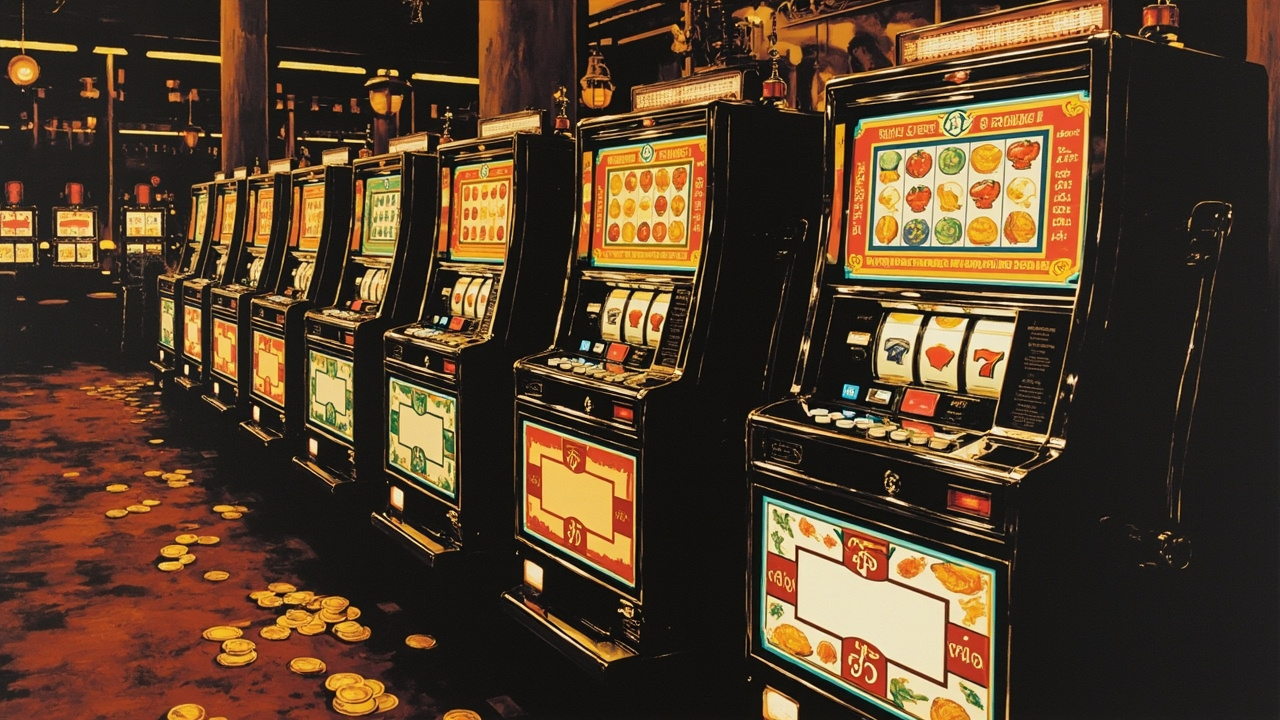
The phrase best pokies with expected value sounds technical, but it really points to a simpler question: which games and promotions give you the clearest picture of what you are buying into? In my work connecting player lifecycle strategy with retention and service quality, I see the same mistake repeatedly. People chase a headline bonus without reading how much each bet contributes to the playthrough, or which titles are excluded from the offer. That is the commercial equivalent of signing up for a loyalty tier without checking the redemption rules.
A couple of industry voices frame this well. Grace Jackson, Head of Analytics, Banksia Betting Partners, notes that operators with transparent contribution tables tend to keep players longer because the path to a withdrawable balance is less guesswork. Georgia Baker, iGaming Regulatory Consultant, Koala Digital Group, adds that clear eligibility and recurring promo structures reduce support friction, which matters when you are dealing with regional internet dropouts and a long drive to the nearest venue. Neither is talking about guaranteed outcomes; they are talking about readable conditions.
That readability is what separates a sensible session from a frustrating one. If you treat a bonus like a marketing hook rather than a set of rules, you end up paying for the privilege of confusion. The players who stick around are usually the ones who map the offer to their actual behaviour before the first deposit.
How to read the offer before you spin
Step one: write down how you actually play
Start by being honest about your habits. Are you a short, sharp session player, or do you stretch a balance across a slow evening? Write it down. If you usually bet small and play for twenty minutes, a high wagering requirement on a bonus that demands long sessions is not your friend. If you prefer longer runs, look for offers that let you contribute steadily rather than forcing a sprint. This is the mate-level version of the retention work we do in CRM: match the mechanics to the behaviour, not the other way around.
Step two: check contribution and exclusions
Next, read which games count toward the playthrough and at what rate. Some titles contribute fully, others count for a fraction, and a few are excluded altogether. That detail is where a generous-looking offer can quietly turn restrictive. Bill Collins, the accurate one, was a beloved Australian uptownacesnodeposit.org race caller because he read the form rather than the hype; the same instinct applies here. If a promotion looks strong but excludes the games you actually enjoy, the expected value drops fast. Note the contribution rates, note the excluded titles, and decide whether the maths still makes sense for your style.
Step three: map the limits and the recurring stuff
Finally, look at the caps, the eligibility windows, and any recurring promos that might matter later. A one-off bonus can be fine, but if you plan to return, the repeat offer structure matters more than the first headline. Check deposit limits, max bet rules during bonus play, and how the operator handles ongoing promotions for existing players. This is where commercial value and service quality meet: a readable, consistent promo calendar is a better sign than a single flashy figure. For players comparing operators, a clear starting point is a site like https://gold-rush-slots.com, which lays out its own offer structure in a way that is easier to compare against your own habits.
Matching the setup to the player
Not every player needs the same thing, and the best pokies with expected value only make sense when they fit the person spinning them. A casual player who logs in for a short session on a Tuesday night has different priorities than someone who treats pokies as a regular leisure budget with strict limits. The first group usually cares most about simple eligibility, reasonable wagering, and games that contribute cleanly. The second group tends to care more about recurring promos, loyalty pacing, and support that answers quickly when something goes sideways.
Regional realities shape that fit too. If your connection is patchy or the nearest venue is a long drive away, you are probably leaning toward sessions that are easy to start and stop without losing your place. That makes clear mobile performance and straightforward support more valuable than a complicated bonus maze. On the other end, players who live closer to a physical club may still choose online play for the variety, but they are often more sensitive to how local venues are faring. Community clubs warn that pokie cuts could hurt their funding of local sport, which is a reminder that the broader ecosystem matters even when you are comparing digital offers.
Advantage players hunt must-hit-by jackpots near their trigger point, but that is a different game entirely from reading a bonus properly. For most adults 18+, the smarter move is to treat expected value as a way to compare clarity, not to chase a mythical edge. A good fit is one where the offer, the games, and your own habits line up without requiring you to bend the rules in your head.
Keeping the focus on readable value
If you want the best pokies with expected value, the goal is not to find a magic machine. It is to find an operator whose promotions, contribution rules, and support structure make sense for the way you actually play. That means reading the offer, checking the exclusions, and deciding whether the recurring mechanics suit a return visit. It also means accepting that distance, connection quality, and local context all affect what feels sensible on a given night.
For players who want a second opinion on how operators frame their own offers, a neighbour comparison at https://startupdaily.net can be a useful way to see how different businesses talk about their structure. And if you are keen on how local venues and community funding fit into the bigger picture, a look at https://arena.org.au adds some context on the ecosystem around the games themselves. None of that changes the maths, but it does help you judge the environment you are playing into.
The throughline is simple. Read the offer, match it to your habits, and treat expected value as a measure of clarity rather than a promise of anything else. That is the kind of approach that tends to hold up, whether you are playing from a city flat or a regional town where the nearest venue is a fair drive.
Recent Comments